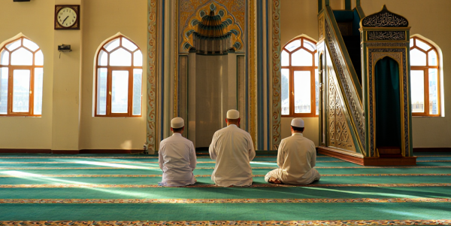
Every single day, the sun climbs to its highest point in the sky. This daily movement brings a moment of quiet focus for Muslims everywhere. This specific shift marks the start of the midday prayer. It serves as a spiritual pause during a busy workday. Knowing exactly when Dhuhr begins helps you plan your hours. You can arrange your day around your worship instead of rushing at the last minute.
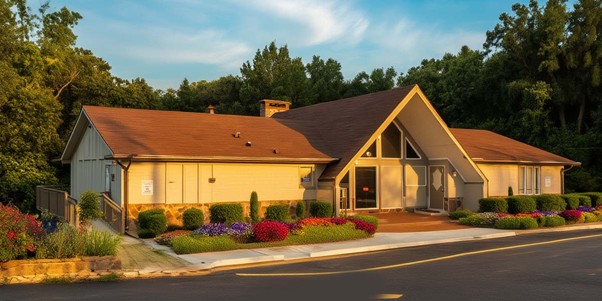
Here at Masjid As-Siddiq—Islamic Center of West Georgia, we get many questions from local neighbors about these daily shifts. Our work centers on providing clear guidance. We want you to feel confident in your daily worship. We keep an accurate timetable for this reason. This schedule helps everyone in the West Georgia area stay connected to the congregation.
The Signs of Midday Prayer
The start of the midday prayer connects directly to the sun. It does not begin exactly at noon on a standard clock. Instead, the window opens right after the sun passes its highest point.
You can track this change using a simple shadow test:
- The Highest Point: A vertical stick casts its shortest shadow when the sun reaches its peak.
- The Shift: The shadow begins to grow and turn toward the east right after this peak.
- The Start Time: This small movement means the sun has moved past the center sky. The prayer window is now open.
This window stays open until the afternoon prayer time arrives. The afternoon prayer starts when the shadow of an object grows. It must equal the length of the object itself plus its shortest midday shadow.
How Do You Find the Dhuhr Timing Today?
Calculations today rely on math rather than daily shadow tests. Formulas predict the exact minute the sun passes its peak. These calculations use your local latitude and longitude.
The position of the sun changes slightly every day. Because of this, the prayer start time shifts by a minute or two throughout the year. Checking a local timetable ensures you do not pray too early. Praying even a single minute before the true shift makes the prayer invalid.
We update our community schedules regularly to show these shifts. Keeping an eye on the verified Dhuhr Timing Masjid As-Siddiq calendar ensures your prayers align with the sun.
What Are the Benefits of Praying on Time?
Pausing your daily routine for worship brings peace to a busy schedule. The midday prayer acts as a boundary line. It sits between your morning tasks and your afternoon responsibilities.
Choosing to pray at the start of the window offers good advantages for your daily life:
- Renewed Focus: Stepping away from work screens calms the mind. It lowers your daily stress levels.
- Good Discipline: Building your routine around fixed prayer windows creates a healthy structure.
- Community Connection: Joining the congregation links you with neighbors who share your beliefs.
Taking this break reminds us of our main priorities. Our daily work gains more blessings when we put our prayers first.
Can You Pray Midday Prayer Early or Late?
Scholars emphasize that performing the prayer within its set limits is a strict rule. You cannot perform the prayer before the sun begins its downward turn. This rule applies in all situations.
You should pray as soon as you remember if you face an honest emergency. However, deliberately delaying the prayer stretches the window to its absolute limit. It is always best to perform the worship early in the block of time.
Dhuhr Timing Masjid As-Siddiq: Local Congregation Guidelines
Our facility welcomes community members for daily prayers. We establish our gathering times to help local workers and students. The schedule leaves enough travel time during lunch breaks.
Our daily schedule accommodates the community through a clear routine:
- The First Call: The Adhan sounds right at the start of the true solar shift.
- The Waiting Period: We allow a fifteen-minute gap. People can perform extra prayers and wash for prayer.
- The Congregation: The Iqamah sounds. The community stands together for the obligatory prayer.
Gathering together strengthens our bonds. It builds a helpful group of believers here in West Georgia.
Looking Ahead to Evening Worship Schedules
Establishing a routine for midday worship is vital. Tracking the final prayer of the night also keeps your daily cycle complete. The evening prayer requires similar attention as the daylight hours fade away.
Our community center sets the night prayer schedule based on the sky. We watch for the disappearance of the red twilight. Reviewing the official Masjid As-Siddiq Isha Timing helps families coordinate their dinner plans. You can easily fit evening routines around the final congregation of the day.
Frequently Asked Questions
What happens if I pray Dhuhr five minutes early?
Your prayer is not valid if you perform it before the sun passes its peak. You must repeat the prayer once the true time begins. Always check a verified local schedule to prevent this mistake.
How long does the midday prayer window last?
The window lasts several hours. It starts right after the sun passes its highest point. It ends when the afternoon prayer time enters. The exact length changes slightly depending on the season.
Why does the prayer time change every day?
The tilt of the Earth and its path around the sun change daily. These factors cause the exact moment of the midday peak to shift slightly each day.
Can I pray at the exact moment the sun is at its peak?
Praying during the exact moment the sun is at its highest point is not allowed. You must wait a few minutes until the sun begins its downward path toward the west.
Join Us for Daily Prayer
Our facility remains open for all five daily prayers. We offer educational classes and community gatherings. We invite you to visit our center to pray, learn, and connect with other families in the West Georgia region. Staying involved with Masjid As-Siddiq—Islamic Center of West Georgia ensures you always have access to accurate schedules.
We provide a welcoming prayer space and supportive community programs. Check our digital display during your next visit to view the complete timetable for the upcoming weeks.